-
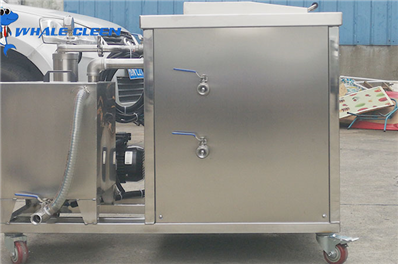 Ultrasonic Cleaning Systems: Revolutionizing Maintenance Solutions in the Power Industry
The power industry is a cornerstone of modern civilization, powering homes, industries, and economies. However, maintaining the equipment that generates, transmits, and distributes energy is a complex and costly endeavor. One critical aspect of this maint
-
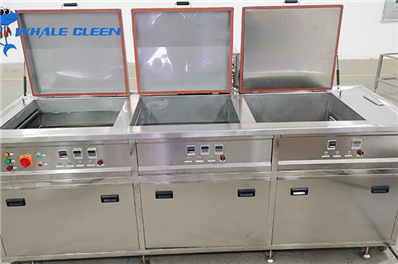 Choosing the Right Cleaning Powder for Ultrasonic Cleaners: A Comprehensive Guide
Ultrasonic cleaners are widely used across various industries for their ability to clean intricate and delicate objects effectively. The selection of cleaning powder or detergent plays a pivotal role in determining the efficiency of the cleaning process.
-
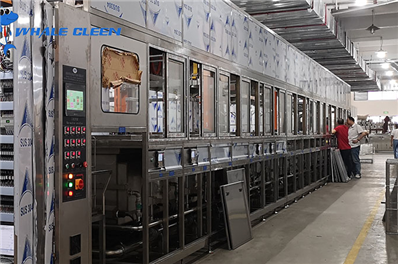 Enhancing Cleaning Standards: The Superior Performance of Ultrasonic Cleaning Machines
Ultrasonic cleaning has become a significant advancement in the field of cleaning technology, offering an efficient and highly effective solution for a wide array of industries. The rise of ultrasonic cleaning machines has revolutionized the cleaning stan
-
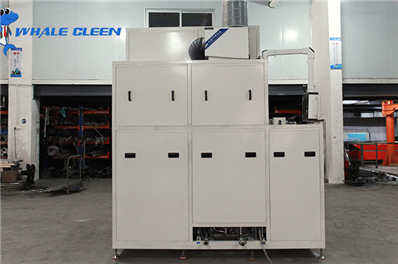 The Dawn of a New Era in the Cleaning Industry: Pioneering Ultrasonic Cleaning Technology
The cleaning industry has long been characterized by its continuous evolution, driven by technological advancements and the need for enhanced efficiency and sustainability. Among the most transformative innovations is ultrasonic cleaning technology, which
-
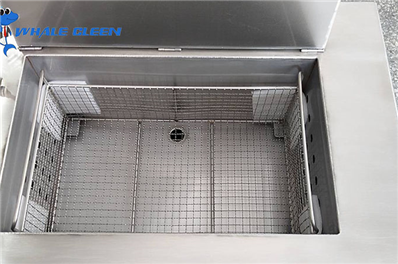 Advancements and Applications of Ultrasonic Cleaning Machines in the Defense Industry
Ultrasonic cleaning machines have found widespread applications in the defense industry, providing efficient and reliable solutions for cleaning and maintenance of military equipment. Their non-contact, high-performance cleaning capabilities make them ide
-
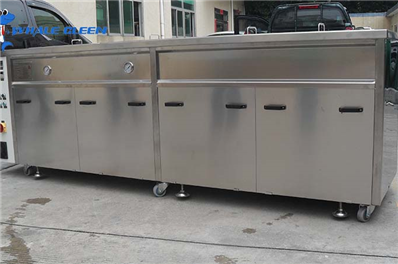 Ultrasonic Cleaning Machine for Blind Holes: How Whale Cleen Meets Strict Acceptance Standards
In precision manufacturing, the most difficult contamination is often the contamination you cannot see. Fine blind holes, narrow slots, threaded ports, and tight crevices can trap polishing dust, lapping residue, metal fines, and oil film. A part may look
-
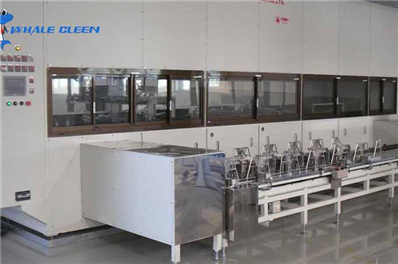 Same Ultrasonic Cleaning, Why Are Some Aerospace Fastener Yield Rates So Much Higher?
In aerospace manufacturing, few quality metrics are as unforgiving as fastener cleanliness. A single micro-fastener — a titanium alloy bolt, a high-strength steel screw, a threaded insert — can carry cutting fluids, lapping compounds, or microscopic metal
-
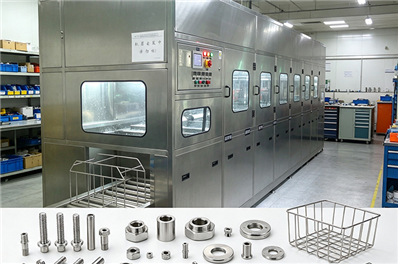 Ultrasonic Cleaning Machine: Why Disassemble Molds When You Can Clean Carbon Deposits in Minutes?
In industrial manufacturing, few maintenance tasks are as time-consuming and costly as mold cleaning. Production managers know the drill all too well: shutdown the line, wait for the mold to cool, disassemble every component, scrub stubborn carbon deposit
-
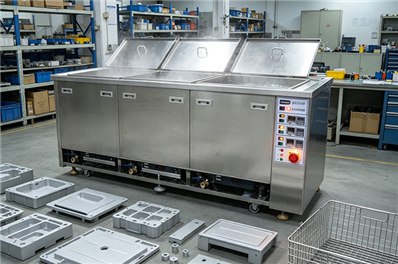 Ultrasonic Electrolytic Cleaning for Molds: Eliminate Gas Coke and Toner Residue That Causes Yellowing and Flow Marks
The Persistent Mold Contamination Problem In injection molding, the mold is the heart of production. But over time, even the best-maintained molds accumulate stubborn contaminants that no amount of wiping or solvent dipping can fully remove. Two of the
-
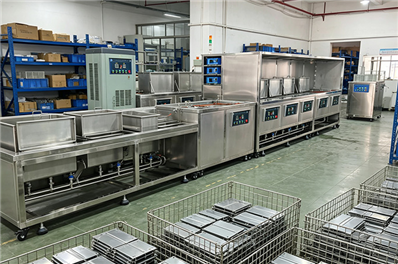 Ultrasonic Cleaning Machine: The Definitive Solution for Rust and Oil Contamination That Spray Cleaning Leaves Behind
In metal parts manufacturing and heavy equipment maintenance, few scenarios are as frustrating—and as costly—as the inspection failure that follows an inadequate cleaning process.The scenario plays out in workshops every day: a batch of precision metal co
-
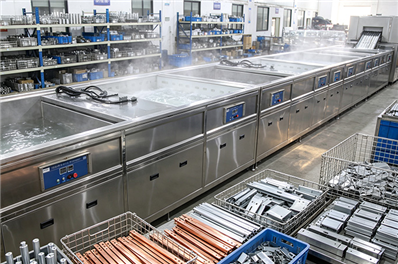 How to Select an Ultrasonic Cleaning Machine for Engine Cylinder Blocks
In heavy-duty equipment repair and engine remanufacturing, the cleaning of cylinder blocks is a critical and demanding task. These large, complex cast-iron or steel components contain intricate networks of oil galleries, water jackets, blind holes, and pr
-
 The Milling Cutter & Tap Cleaning Secret: Why Ultrasonic Outperforms Manual Methods
In any precision machining environment, the cleanliness of cutting tools like milling cutters and taps is directly linked to part quality, tool life, and production stability. Yet, the most common cleaning method—manual scrubbing with brushes, cloths, or